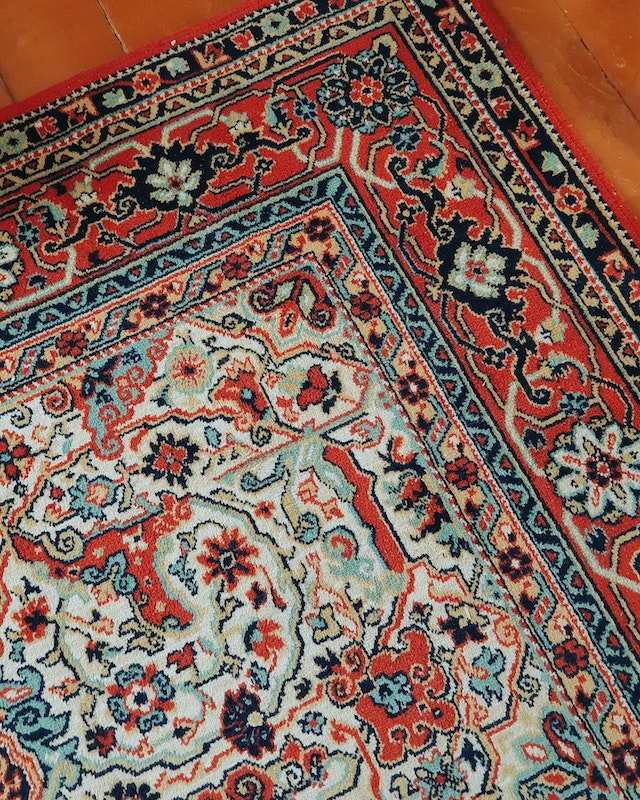
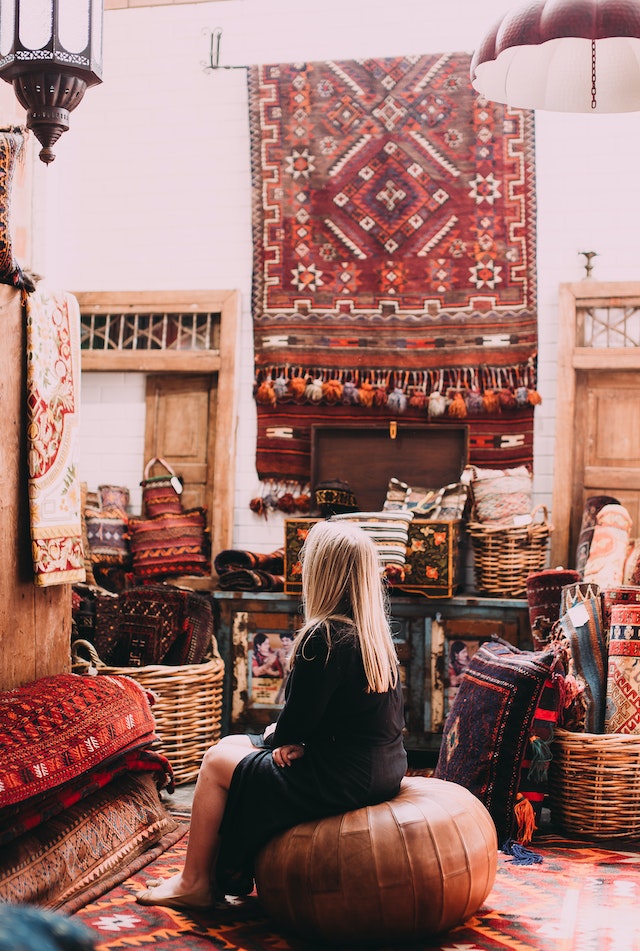
The history of Navajo rugs dates back centuries and is rich with tradition. The **tribe** is known for their intricate weaving techniques, which have been passed down through generations. These rugs are prized for their vibrant colors and geometric patterns, making them highly sought after by collectors and interior designers alike.
Navajo weaving has a long **legacy** within the tribe, with each rug telling a unique story through its design. The **artisans** who create these rugs often use natural materials such as wool from sheep raised on the reservation.
One of the most famous Navajo weavers was **Juanita**, who revolutionized the craft in the early 1900s by incorporating more complex designs into her work. Her influence can still be seen in modern Navajo rugs today.
Despite facing challenges such as competition from cheaper mass-produced rugs, the Navajo people continue to preserve their **cultural** heritage through weaving. Each rug is a testament to their skill and dedication to keeping this traditional art form alive for future generations to enjoy.
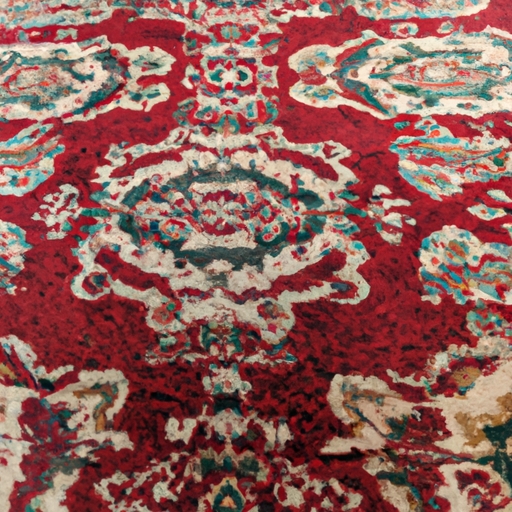
Navajo area rugs are known for their **vibrant** colors and intricate designs. These rugs are traditionally made from **wool** that is hand-spun and dyed using natural materials like plants and minerals. The designs on Navajo rugs often feature geometric patterns, **symbols**, and motifs that hold **cultural** significance to the Navajo people.
One of the most distinct characteristics of Navajo area rugs is their tight weave, which creates a durable and long-lasting **product**. The craftsmanship that goes into making these rugs is **impressive**, with each one being a unique piece of art that tells a story about the weaver's **skills** and creativity.
In addition to their beauty, Navajo area rugs also serve a practical purpose by providing warmth and insulation in the harsh desert climate of the Southwest. Whether used as wall hangings or floor coverings, these rugs add a touch of **authenticity** and tradition to any space they adorn.
Overall, Navajo area rugs are more than just decorative pieces – they are an important part of the cultural heritage of the Navajo tribe, representing centuries-old traditions passed down through generations. Their timeless beauty and craftsmanship make them highly sought after by collectors and enthusiasts alike.
The significance of patterns and symbols in Navajo rug designs is deeply rooted in the cultural traditions of the tribe. Each symbol and pattern used in the rugs tells a story or conveys a message that is important to the Navajo people.
Navajo rugs are not just decorative pieces, but they hold spiritual and historical significance for the tribe. The intricate designs found in these rugs often represent elements of nature, such as animals, plants, or celestial bodies. These symbols are believed to bring protection, good luck, and prosperity to those who own them.
The weaving process itself is also highly symbolic for the Navajo people. It is seen as a way to connect with their ancestors and carry on ancient traditions. The patterns woven into the rugs are often passed down through generations, preserving the cultural heritage of the tribe.
In conclusion, Navajo rug designs are much more than just beautiful works of art - they are powerful symbols of identity and tradition for the Navajo people. They serve as a link to their past and a source of pride for their community.
Area rugs hold great significance within Navajo culture. They are not just decorative pieces, but rather serve a multitude of purposes in daily life.
One important role of area rugs in Navajo culture is their use as storytelling tools. Each rug is meticulously woven with intricate designs that convey stories and legends passed down through generations. These stories often contain valuable lessons and teachings that are meant to be shared with the community.
In addition to their storytelling function, area rugs also play a practical role in Navajo daily life. They are used for insulation against the cold desert nights, as well as for ceremonial purposes such as prayer and healing rituals. The vibrant colors and patterns of the rugs are believed to have spiritual significance, representing elements of nature and connecting the weaver to their ancestors.
Furthermore, area rugs serve as a form of artistic expression for Navajo women, who traditionally create these intricate masterpieces by hand. The process of weaving a rug requires patience, skill, and creativity, making each piece a unique work of art that reflects the individuality of the weaver.
Overall, area rugs are an integral part of Navajo culture and identity. They embody the rich history and traditions of the tribe, while also serving practical functions in daily life. Through their intricate designs and storytelling capabilities, these rugs continue to hold deep cultural importance within the Navajo community.